Diet and training in Poland — where to start in the supermarket
Eating for training after a move to Poland: where the cheap protein hides, how to read a nutrition label in Polish, where to shop in Koszalin and what a dietitian charges.
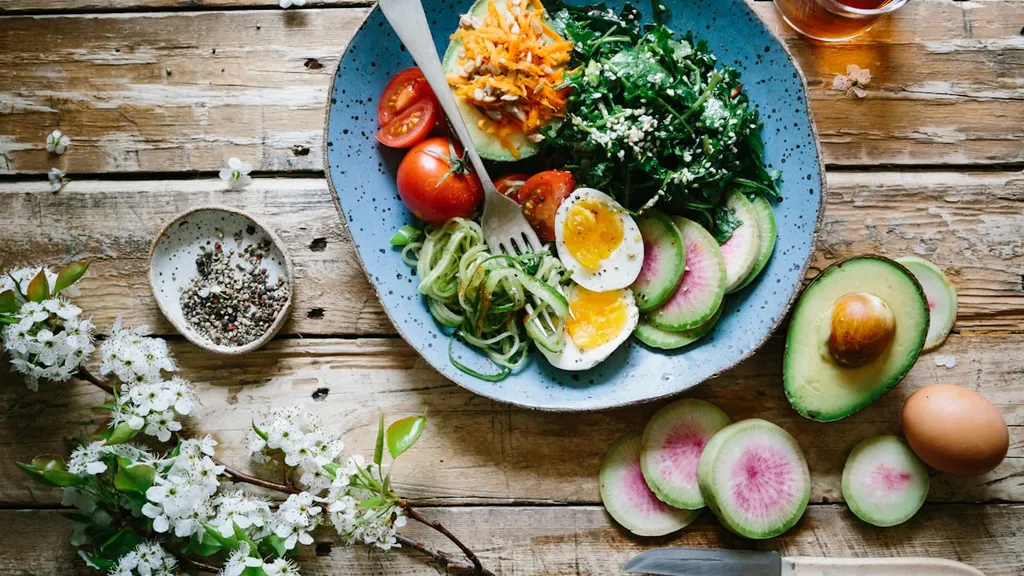
You have started training in Koszalin, you have a rough idea of what you should be eating, and then you walk into a supermarket and none of it is there. The dairy fridge holds six white things in tubs, every one with a different name. The meat counter is a queue and a language test. Where you expected rice, the shelf is full of bags labelled kasza, whatever that turns out to be. You leave with chicken breast, rice and a bag of frozen something. Again.
The short version: the cheapest protein in Poland sits in the dairy fridge, not at the meat counter, and the first word to learn is twaróg. Labels here quote everything per 100 g rather than per portion, so read the pack weight before you judge any number — a block of twaróg carries far more protein than the figure on the back suggests at a glance. None of this needs a specialist shop either. Biedronka, Lidl and Kaufland are the discount chains you walk past on the way home from almost anywhere in the city, and between them they stock everything below.
Diet and training answer different questions
Settle one thing before you write a shopping list, because it tells you where your effort is worth spending.
What you eat is what decides whether you lose fat. Building a calorie deficit in the kitchen is far easier than running one off on a treadmill — one careless evening cancels an hour of hard work. Training shapes the rest: how you look once the weight has gone, and how much strength you keep on the way down. Diet on its own leaves you a smaller version of the same body. Training on its own leaves you a fitter body under an unchanged layer of fat.
They are not rivals, then. They answer different questions, and skipping one leaves its question unanswered.
Protein is the part you have to plan
Fat and carbohydrate look after themselves; you will eat plenty of both without ever thinking about it. Protein is the one you miss, and it is the one that counts most while you are training, because it protects muscle when you are eating less and it keeps you full between meals.
The working guideline for someone training regularly is 1.6 to 2.2 g of protein per kilogram of bodyweight a day, which puts an 80 kg person somewhere between 130 and 175 g. Spread it across three or four meals instead of loading it all onto dinner. Everything in a Polish shop is weighed, priced and labelled in metric, so grams and kilograms are the units you will be working in whether or not you think in them.
That target sounds expensive. In Poland it is not, once you know which tubs to reach for.
The dairy fridge is where the cheap protein is
This is the aisle that surprises people. Polish dairy is deep, it costs very little, and it is where most people training here get their protein.
Twaróg — curd cheese, sold either as a solid white block wrapped in plastic film or as a tub of loose curd. High in protein, low in fat if you pick the right one, and every shop in the country stocks it. The word on the front tells you the fat content: chudy is lean, półtłusty semi-fat, tłusty full fat. Start with chudy. On its own it is dry and sour, which is why nobody here eats it on its own — it goes with chopped tomato and chives, or with honey and fruit. If Poland has a national protein source, this is it.
Serek wiejski — cottage cheese; the name means village cheese. It comes in small round tubs, tastes milder and softer than twaróg, needs nothing done to it and carries good protein per pot. If twaróg defeats you, start here.
Kefir and maślanka — fermented milk drinks, in cartons beside the milk. Kefir is tangy and faintly fizzy; maślanka is buttermilk, thinner and milder. Both are cheap, both carry decent protein, and both beat anything sold as a sports drink after a session. Buy the plain versions — the flavoured ones are sweetened.
Two more staples sit a few steps from that fridge, neither of them dairy.
Jajka — eggs, sold in boxes of six or ten. Every egg is stamped with a code, and its first digit gives the farming method: 0 organic, 1 free range, 2 barn, 3 caged. The same system runs across the EU, so it may already be familiar from home.
Pierś z kurczaka — chicken breast. Every supermarket sells it pre-packed, so you can skip the counter altogether on your first shop. On a label, filet means boneless fillet and z kością means bone-in.
Ordering at the meat counter
When you do want the counter, it is less of an ordeal than it looks from the back of the queue. Many shops have a ticket dispenser beside the display: take a number and wait for it to come up on the screen above the counter. One word carries most of the transaction — poproszę, roughly “I’d like” — so pointing at the tray and saying it gets you served. Staff often count in deka, decagrams, rather than in grams, so when the exact amount matters, type the weight into your phone and hold up the screen.
Grains: the cheap carbohydrate nobody tells you about
Poland eats a whole family of hulled grains called kasza, bagged and shelved next to the rice and pasta, usually for less money. They cook much like rice, they keep you full for longer, and they sit lower on the glycaemic scale than white bread.
- Kasza gryczana — buckwheat. The dark, strongly flavoured one, and the default side dish at a Polish dinner. Gluten free.
- Kasza jaglana — millet. Mild, pale yellow, cooks in about fifteen minutes, and the easiest one to start with. Also gluten free.
- Pęczak — pearl barley in its coarser form. Chewy, filling and the cheapest of the three. Contains gluten.
The freezer, from November to April
Warzywa mrożone — frozen vegetables. Through a Koszalin winter the fresh vegetable shelf is expensive and tired, and the freezer is neither. Spinach, green beans and mixed vegetables are picked and frozen at their best, cost little and survive a week of bad planning. If you want them plain, look on the bag for bez soli (no salt) or bez dodatków (nothing added).
Where to shop in Koszalin
Biedronka and Lidl are the two discount chains you see on every second corner in Poland, and in Koszalin one of them is usually within walking distance of your flat. Between them they cover the entire list above. Kaufland is bigger, with more choice at the meat and dairy counters, and it is the one for a proper weekly shop rather than a top-up.
Then there is the targowisko — the open-air market, shortened to targ in conversation. Fruit, vegetables, eggs and often cheese and honey, sold by the people who grew or made them. It runs in the mornings, prices in season beat the supermarkets, and your Polish barely comes into it: point, hold up fingers for the quantity, pay. Bring cash, because plenty of stalls take nothing else.
One thing to plan around, and it catches out nearly every newcomer: most Sundays in Poland are non-trading days — niedziela niehandlowa — and the supermarkets simply stay shut. A few trading Sundays are announced each year, mostly in the run-up to Christmas and Easter. Small corner shops and petrol stations stay open, at corner-shop prices. There is a reason Saturday is the shopping day here.
We are not quoting grocery prices. Food prices in Poland have moved too much in recent years for a figure written today to be worth anything to you by next spring.
How to read a Polish label
A handful of words get you through any packet in the shop. They sit in a small table on the back, under the heading wartość odżywcza — nutrition information.
- białko — protein
- tłuszcz — fat
- węglowodany — carbohydrates
- w tym cukry — of which sugars
- sól — salt
What catches people out is the basis of those figures: they are given per 100 g, not per portion. That is an EU rule rather than a Polish quirk, so it will look familiar if you have come from Ireland or the UK, and strange if you have come from the US. A tub of twaróg listing 18 g of białko holds 18 g in every 100 g, so a 250 g block gives you around 45 g of protein, not 18. Read the pack weight first, then the table.
Two more words worth recognising on the front of a pack: naturalny (plain, unflavoured) and bez cukru (no sugar — the phrase for no added sugar is bez dodatku cukru). Yoghurt sold as jogurt naturalny is the plain one.
Eating around your training
When you eat matters far less than how much you eat across the day, but two meals are worth placing deliberately.
Before training, an hour or two beforehand: carbohydrate with a little protein, nothing heavy or greasy. Kasza jaglana with chicken, or bread with eggs, does the job.
After training, within a couple of hours: protein and carbohydrate together. Twaróg with fruit, kefir and a banana, rice with chicken. There is no need to sprint home inside thirty minutes — that deadline was oversold for years.
Water, and the one number worth remembering
Lose around 2% of your body weight as water and your exercise performance and your concentration measurably drop. It is one of the better-documented findings in sports medicine, and the American College of Sports Medicine sets it out in its position stand on exercise and fluid replacement.
Drink across the day rather than only at the gym, because thirst arrives after dehydration has already started. Tap water in Koszalin is treated to drinking standards and is safe straight from the tap; plenty of Poles still buy it bottled, out of habit rather than necessity.
When it is worth paying a dietitian
Three situations make the fee worth paying: you have been consistent for months and nothing is shifting; you have a metabolic condition such as insulin resistance, thyroid disease or diabetes; or you want the arithmetic done for you, around food you can actually buy here. That is the point at which a dietetyk, a dietitian, earns the money.
Two published rates from Koszalin, both taken from a price list anyone can read. Magdalena Siejak works at Dieta-Vita, ul. Hallera 19 — ul. is short for ulica, street, so that is number 19 on Hallera Street. She charges 150–200 PLN (~35–47 EUR) for a first consultation and 330–500 PLN (~77–116 EUR) for a monthly programme. Polish prices are quoted in złoty, written zł on a door and PLN online; the euro figures come from a rate near 4.3 zł to the euro, and since that rate moves they are orientation rather than a quote.
Most other specialists publish nothing at all, and we are not going to invent figures on their behalf. Ask at first contact.
One more question, and ask it outright: whether the dietitian can work with you in English. We hold no record of who can, so do not assume it either way — a short message before you book settles it, and a written plan you can actually read is the whole point of paying for one.
Our dietitian listings cover the specialists working in the city — Magdalena Siejak, Natalia Jasiakiewicz (Pracownia-Diet), Marta Pawelec (Remedica) and Maja Grabowska, who works on plant-based nutrition. For training itself, the coach directory and the gyms and clubs page cover Koszalin. And if you have not yet got to grips with how paying for any of this works in Poland — passes, packages, employer sports cards — that is set out in what training in Koszalin costs.
A practical way to start: on your next shop buy one block of chudy twaróg, one bag of kasza jaglana and one bag of warzywa mrożone, and cook the lot in one go. If those three earn a place in your week, the rest of a training diet in Poland is cheap and easy from there.