Athletic conditioning for the season – how to prepare and avoid injury
The season starts sooner than you think. Learn what athletic conditioning involves and how a Koszalin trainer helps you enter the season fully prepared.
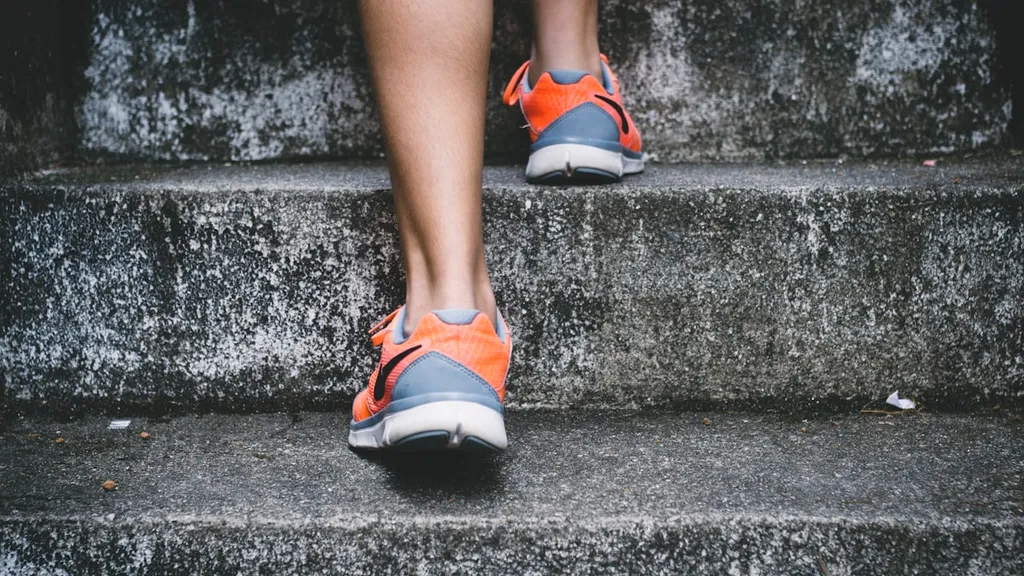
Many athletes – amateur and competitive alike – make the same mistake: they go straight to full intensity at the start of the season without adequate physical preparation. The result is predictable: muscle strains in the first few weeks, tendon inflammation, and in serious cases – ligament damage.
Athletic conditioning is the answer to this problem. And it is not reserved for professionals.
What is athletic conditioning?
Athletic conditioning is the systematic training of physical motor qualities: strength, speed, power, endurance, coordination, agility and flexibility. Unlike technical training (sport-specific skills), conditioning builds the “engine” – the athletic base on which all other abilities rest.
Analogy: sport technique is like software. Athletic conditioning is the hardware. Even perfect software cannot run on inadequate hardware.
When should pre-season preparation begin?
Ideally: 8–12 weeks before the season starts. This provides sufficient time to:
- Strengthen stabiliser muscles and prevent injuries proactively.
- Build an aerobic base for intensive sport-specific training.
- Develop maximal strength and power output.
- Prepare the neuromuscular system for high loads.
Starting preparation 2–3 weeks before the season is too little for a fully periodised programme.
How a conditioning programme is structured
A professional periodised programme consists of four phases:
Phase 1 – General adaptation (2–3 weeks) Low load, high volume, significant stability work. Goal: strengthen tendons, ligaments and stabiliser muscles – the weakest link when athletes restart after a break. Exercises: single-leg work, rotator cuff strengthening, unstable surface work (BOSU), core strengthening.
Phase 2 – Strength building (3–4 weeks) Increasing load, reduced volume. Classic compound movements: deadlifts, squats, pressing, pull-ups, hip thrusts. Goal: maximal strength as the foundation of power. There is no power without strength.
Phase 3 – Power and speed (2–3 weeks) Plyometrics (box jumps, depth jumps, bounds), sprinting, medicine ball throws. Converting strength into athletic power – the quality that determines performance in most sports (sprint, jump, strike, direction change).
Phase 4 – Specialisation and competition readiness (final 1–2 weeks before the season) Reduced volume while maintaining intensity. Sessions closely resembling the actual demands of the sport. Goal: high energy levels and competition readiness without accumulated fatigue.
Why injury prevention is the central goal
A season-opening injury is not just pain – it is weeks of lost training, fitness regression and often the frustration that leads to dropping out until next year.
Injury prevention in conditioning works on three levels:
- Connective tissue strengthening – tendons and ligaments adapt more slowly than muscle. Phase 1 is designed specifically for them.
- Identifying and correcting asymmetries – a conditioning coach identifies left/right strength imbalances, mobility restrictions and compensatory movement patterns that are potential injury sources.
- Dynamic stabilisation – training knee, hip and ankle stability under movement, which is more sport-specific than static stabilisation exercises.
Research on football players shows that a targeted prevention programme (e.g. FIFA 11+) reduces injury risk by 50%. Athletic conditioning goes further by personalising these interventions.
Which sports benefit most?
Conditioning is valuable in all sports, but particularly critical for:
- Football, volleyball, basketball – direction change, jumping, sprinting and braking are directly developed.
- Martial arts – explosiveness, grip strength, strike power, reaction time.
- Running and triathlon – running economy, strength endurance for long distances.
- Cycling and rowing – upper body strength, core, hip extension power.
- Tennis, badminton – reactivity, shoulder stabilisation and trunk rotation.
- Skiing and snowboarding – leg strength, proprioception, eccentric quadriceps endurance.
Do amateurs need athletic conditioning?
Yes – and they arguably need it more than professionals. Here is the paradox:
Professionals train year-round, have medical and training staff, and their bodies are constantly in motion. Amateurs train inconsistently, take long breaks in winter or during busy work periods, then return to full season intensity. That is a recipe for injury.
A typical story: an amateur football player after an 8-month break enters the season and pulls a hamstring in the third match. Winter again. The cycle repeats.
Eight weeks of athletic conditioning breaks this cycle.
Athletic conditioning coaches in Koszalin
Looking for a specialist to prepare you for the season? Browse athletic conditioning coaches in Koszalin in the directory.
You will find coaches working with both competitive athletes (Damian Zaorski – armwrestling and strength preparation) and amateurs seeking a safe entry into the season (Maciek Frycz, Jakub Borys, Kamil Zacholski at GymBro Studio and others).
FAQ – athletic conditioning
When is it too late to start? Never, but results depend on time available. 8–12 weeks is optimal. 4–6 weeks allows 2 phases and delivers real improvement. 2–3 weeks is primarily activation and minimal prevention work.
Can I combine conditioning with sport-specific training? Yes – and that is the correct approach. The conditioning coach adjusts the plan to your sport training schedule to avoid overtraining.
How many sessions per week are needed? 2–4 sessions per week depending on the phase. Phase 1 (adaptation) – 2–3. Phases 2–3 (strength, power) – 3–4. Always include a rest day before intensive sport training.
Should I do conditioning after an injury before returning to sport? Yes – this is the “rehabilitation to performance” pathway. A conditioning coach working alongside a physiotherapist ensures a safe transition from the end of rehabilitation to full sport-specific loading.
Is athletic conditioning only for young athletes? No – it works at any age. Masters athletes (40+) benefit equally; they simply require a longer adaptation phase and more gradual progression.