Beginner's guide to training – how to start and stick with it
Starting your fitness journey? Learn the principles that will help you begin intelligently, avoid injury and stay motivated long enough to see results.
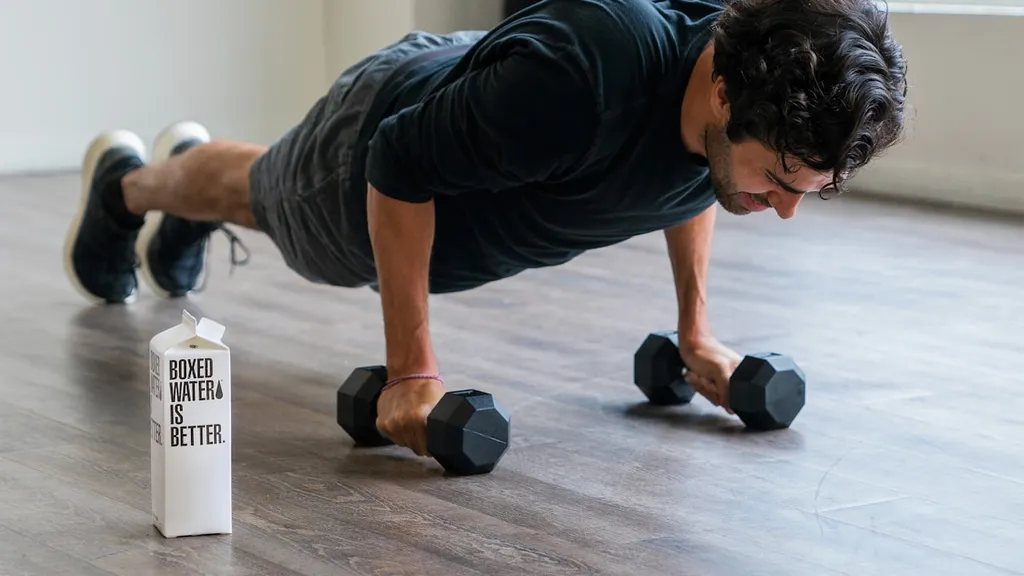
The first weeks of training determine whether exercise becomes a lasting habit or another abandoned resolution. Research on habit formation shows that a minimum of 6–8 weeks of consistent action is required to establish a new behaviour – and this is exactly where most people quit. Not because they lack willpower, but because they start wrong: too intensely, without a plan and with unrealistic expectations. Here are the evidence-backed principles that make this hardest phase manageable.
1. Set a real goal, not a fantasy
“I’ll lose 15 kg by summer” is not a goal – it is a wish without a plan. Instead, set a measurable short-term goal:
- “I will train 3 times a week for the next month.”
- “I will run 5 km without stopping by the end of the month.”
- “I will not miss a single planned session for 4 weeks.”
Small, achievable goals deliver a sense of success that fuels motivation for the next steps. Raise the bar only after you have cleared the first one.
Avoid making appearance the only measure. Body composition changes are slow and uneven – if looks are the sole motivator, it is easy to give up in the weeks before visible effects appear. Add a performance goal: “I’ll do 10 push-ups”, “I’ll run 30 minutes without stopping”, “I’ll squat with body weight” – these are more predictable and rewarding along the way.
2. Do not over-train at the start
The most common beginner mistake is starting too hard – the result is delayed onset muscle soreness, fatigue and dropout within the first two weeks. This is so common it has a name: the January effect (gyms overflow in January, then empty out by mid-February).
Your muscles, tendons and joints need time to adapt to new loads – that process cannot be rushed with enthusiasm. The musculoskeletal system adapts slower than the cardiovascular system, which is why you might feel aerobically capable of more even though your tissues are not yet ready.
Practical rule: after a session you should feel pleasantly tired, not wrecked. Mild muscle soreness lasting 24–48 hours is normal and expected. If you can barely walk down stairs the day after a session – you clearly did too much.
3. Prioritise technique before adding load
Correct technique matters more than weight, speed or session length. Poor form in fundamental movements leads to overuse injuries that can sideline you for weeks or months. Bad habits formed at the beginning are the hardest to unlearn – invest time in learning movement patterns correctly from the start.
Essential movement patterns for every beginner:
- Squat – knees tracking over feet, natural spinal curve, weight through heels, hips below knees at full depth.
- Hip hinge / deadlift – pivot from the hip, not rounding the back; flat spine, braced core, weight close to the body.
- Push-up – body as one line, elbows at ~45° (not flared), chest touches the floor.
- Plank – core braced, hips neither raised nor sagging, neck in neutral position.
- Row – flat back, shoulder blades drawing together, elbows driven along the body.
If you are not confident your form is correct – book one or two sessions with a personal trainer to calibrate your technique. That is an investment that pays off for years. Browse personal trainers in Koszalin – many offer a beginner package specifically for this purpose.
4. Weekly training plan – how often and when?
For someone starting from zero, the realistic schedule is 2–3 training sessions per week, with at least one rest day between strength sessions. A sample week:
| Day | Activity |
|---|---|
| Monday | Full-body strength training (40–50 min) |
| Tuesday | Rest or light walk/cycling |
| Wednesday | Cardio or functional training (30–45 min) |
| Thursday | Rest |
| Friday | Full-body strength training (40–50 min) |
| Saturday–Sunday | Light activity (walking, swimming, cycling) |
You do not need to train every day – that is a widespread myth. Results come from consistency and adequate recovery, not session frequency. An overloaded schedule on a beginner guarantees burnout and dropout.
5. Strength training or cardio – what matters more at the start?
Both have a place, but strength training is the priority, particularly for people with body composition or health goals. Here is why:
- Builds muscle mass, which raises your resting metabolic rate (more calories burned at rest throughout the day).
- Strengthens bones, tendons and ligaments – protecting against injuries in daily life.
- Improves posture and reduces the back pain typical of desk-based work.
- Produces endorphins similarly to cardio, but with longer-lasting effects.
Cardio (running, cycling, swimming) is excellent as a supplement – active recovery days, fitness improvement and stress management. Best cardio for a beginner: 30–45 minutes of brisk walking or nordic walking on days without strength training.
6. Prioritise recovery and sleep
Muscles do not grow during training – they grow overnight and on rest days, when the body repairs micro-damaged muscle fibres. Without adequate recovery there will be no results, and the risk of injury and overtraining rises sharply.
What supports recovery:
- 7–9 hours of sleep – the absolute foundation. Deep sleep triggers growth hormone release, which drives muscle repair. Without sleep, training yields a fraction of its potential.
- Post-training nutrition – a meal with protein and carbohydrates within 1–2 hours of the session. Examples: chicken and rice, eggs on wholegrain toast, Greek yoghurt with fruit and granola.
- Hydration – 2–3 litres of water daily, more in heat and during intense training.
- Foam rolling and stretching – 5–10 minutes after each session significantly speeds muscle recovery and reduces soreness.
7. Motivation – how to sustain it for the first months
Motivation is unreliable – there will be days when training requires real willpower, and that is completely normal. Distinguish between motivation and discipline: motivation is a feeling, discipline is a decision. Strategies that work long-term:
- Train with a partner – mutual accountability is one of the strongest motivators. It is much harder to skip when someone is waiting for you.
- Keep a training log – even a simple table on your phone. Seeing a streak of completed sessions is satisfying in a way that is difficult to replicate.
- Anchor training to a routine – always after work, always before breakfast. Ritualising the habit removes the “should I train today?” decision and makes it automatic.
- Do not judge results too early – first visible body composition changes typically appear after 6–10 weeks of regular training. Energy and mood improvements come much sooner (within 2–3 weeks). Be patient with appearance, attentive to how you feel.
- Reward the process – after a month with no missed sessions, treat yourself to something training-related (new shoes, a piece of equipment, a swim session). Rewards for the process, not just for visible results.
8. Equipment – what do you actually need?
Essential:
- Training shoes – not every sneaker is suitable for gym training. For strength work, choose a shoe with a flat, stable sole (not running shoes, which have flexible cushioning that creates instability under a barbell squat).
- Training clothes – comfortable, in breathable fabric.
Useful:
- Exercise mat – for home or outdoor training.
- Water bottle – reusable, at least 700 ml.
- Resistance bands – excellent for home training; low cost, high versatility.
Not needed at the start:
- Expensive supplements (protein powder, creatine, fat burners) – before you have a plan and consistency, this is wasted money.
- Compression wear, heart rate monitors and advanced smartwatches – useful later, irrelevant now.
9. Where to train in Koszalin
Gyms and studios:
- GymBro Studio (ul. Broniewskiego 2) – personal training studio, small groups, technique-focused.
- MyGym (ul. Wąwozowa 17) – full-size 24/7 gym with personal trainers.
- Inferno Gym (ul. Bohaterów Warszawy 2A) – gym with martial arts section and physiotherapy.
- Centrum Forma (ul. Rekreacyjna 14) – at the Water Park complex, fitness classes and personal trainers.
- Siłownia 16 – home to Aleksandra Zwolak (AWF graduate, 18 years of experience, full range of services).
- Lumberjacks Cross Garage (ul. Wenedów 1) – CrossFit and functional training.
Outdoors:
- Princes of Pomerania Park – paved paths, outdoor fitness stations.
- Lake Jamno area – running routes and open air.
- Góra Chełmska hill – forest trails for running and hiking.
When is it worth working with a personal trainer?
Independent training is entirely possible and many people do it well. But at the start a personal trainer delivers benefits that are difficult to replicate alone:
- Teaches correct technique from session one, preventing bad habits from forming.
- Selects exercises appropriate to your health status, any existing injuries and limitations.
- Motivates and holds you accountable – the commitment mechanism works.
- Saves time – knows what is effective and does not let you waste months on methods that do not work.
- Provides a progression plan so you know what to do when the easy things become easy.
Even 3–5 sessions with a trainer at the start is enough to learn the fundamentals and continue independently with a solid technical and methodological foundation.
FAQ – beginner training
How soon will I feel results? Noticeable wellbeing effects (more energy, better sleep, improved mood) appear after 2–3 weeks. First visible body composition changes – after 6–10 weeks of consistent training paired with appropriate nutrition.
Do I need a sporting background to start? No. Every personal trainer works regularly with complete beginners – that is one of the most common client profiles. The only important thing is being honest about your health status and fitness level.
How long should a single training session be? For a beginner, 40–50 minutes is the right duration, including warm-up and cool-down. There is no need to spend 2 hours in the gym – 45 minutes of quality training produces better results than 2 hours of unfocused machine use.
Can I train at home? Yes – home training can be entirely effective, especially at the start. You need a mat and optionally resistance bands plus a kettlebell or dumbbells. A trainer can provide a plan adapted to your home environment.
Do I need to avoid the gym if I have back pain? Usually not – movement is therapeutically important, often more so than avoiding activity. It does require selecting the right exercises. In Koszalin, Katarzyna Ejsmont (MoveLife – medical trainer and physiotherapist) and Filip Bielecki and Katarzyna Kaczmarz (Inferno Gym – physiotherapists) can help tailor training to your situation.
How do I handle nutrition at the start without going crazy? You do not need to change everything at once. For the first month it is enough to: increase protein (meat, eggs, dairy, legumes), improve hydration (2–3 litres of water), and reduce highly processed foods. Add more changes gradually – a radical diet reset combined with intense new training is a reliable recipe for overwhelm and dropout.